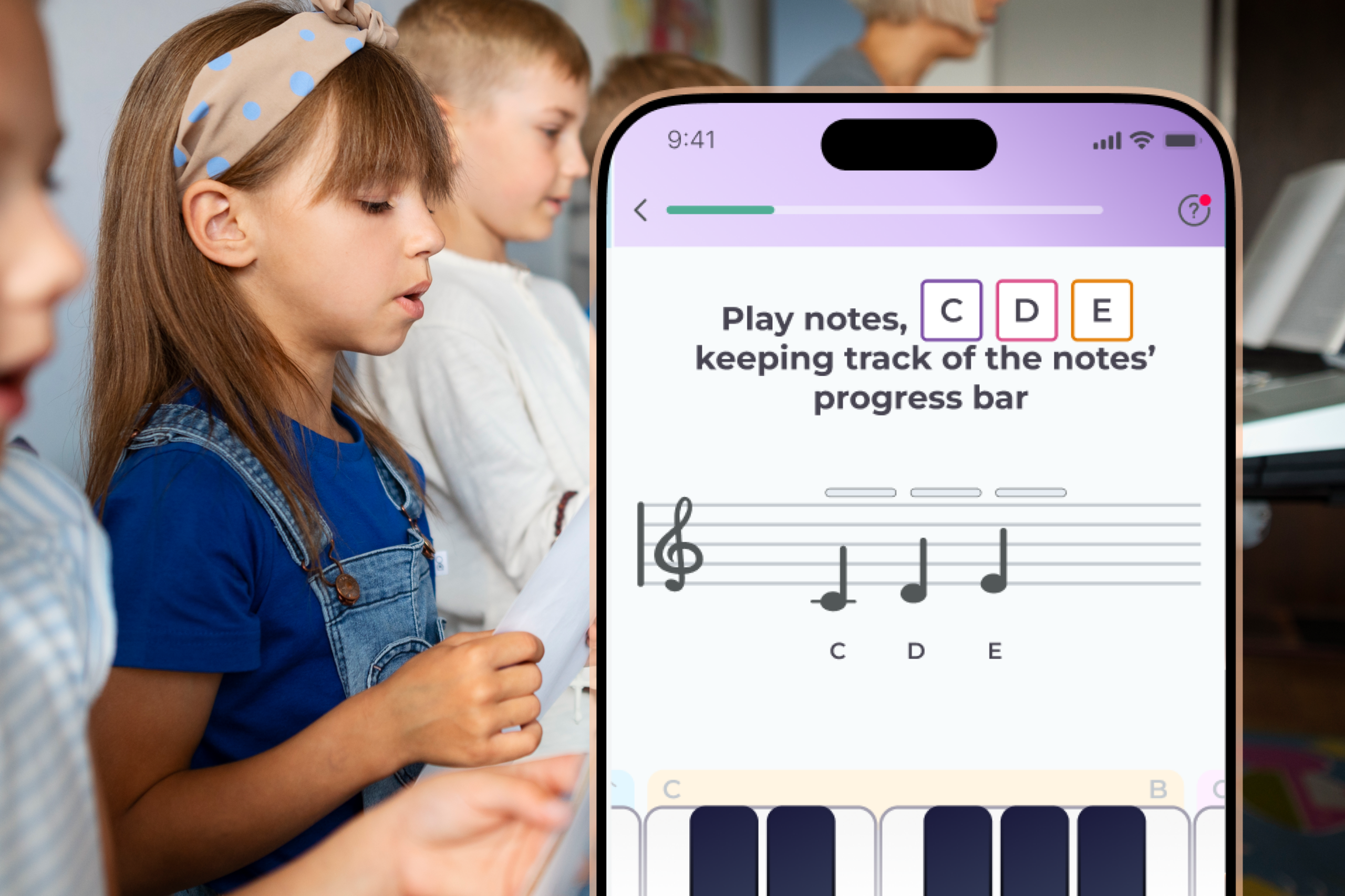
Introduction Why Practicing Smarter Not Harder Is Important
No longer unquestioned works the traditional idea that success in music is achieved solely through long and intense practice; instead, a deeper understanding—practice quality—starts to take its place today. Gone are the times when “the more, the better” applied unconditionally. It’s not just sitting at the instrument for hours on end that matters, but to avoid burnout and achieve maximum progress in the least amount of time, it pays to practice smart. practice strategies; instant feedback; Talented app; error correction; improvement. For context and tool choice, many piano apps for beginners now focus on efficient drills and guided corrections that emphasize smart practice and time management.
Why?
Diligent practice without control does lead to the forming of incorrect habits.
It makes the development slower because of the lack of precise understanding of one’s mistakes.
Overfatigue corresponds to a decrease in productivity and motivation.
Wasted efforts and reduced effectiveness result. It is precisely here that modern technologies and tools step in, permitting to train wisely by evaluating not only the quantity but also the quality of practice sessions.
Fundamentals of Effective Feedback What Makes Our Tool Unique
Our platform has become the result of years of research and experiments aimed at creating a method to receive conscious real-time feedback. Its main distinction is not just performance reports, but a deep analysis that decomposes this complex musical process into understandable components.
What do we offer:
- Audio analysis, performance accuracy: pitch, rhythm, expressiveness.
- Tracking progress by visualizing strengths and weaknesses.
- Interactive recommendations based on individual data.
- An intuitive interface that focuses on the task at hand, rather than application complexities.
More visually, the table below synthesizes the main functionalities and their values for the user:
| Function | Benefit for Practice |
| Performance accuracy analysis | Quickly identify and correct sound errors |
| Rhythmic assessment | Enhance sense of timing and synchrony |
| Personalized advice | Adapt the program to personal skill level |
| Progress charts | Encourage development and record achievements |
Thus, feedback is not just a set of numbers and comments, but a very powerful tool that makes practice conscious, purposeful, and maximally effective. Such an approach turns practice into the process where each step logically follows from the previous one, accelerating the way to mastery. instant feedback enables mistake analysis, error correction, and improvement metrics that deliver a measurable performance boost.
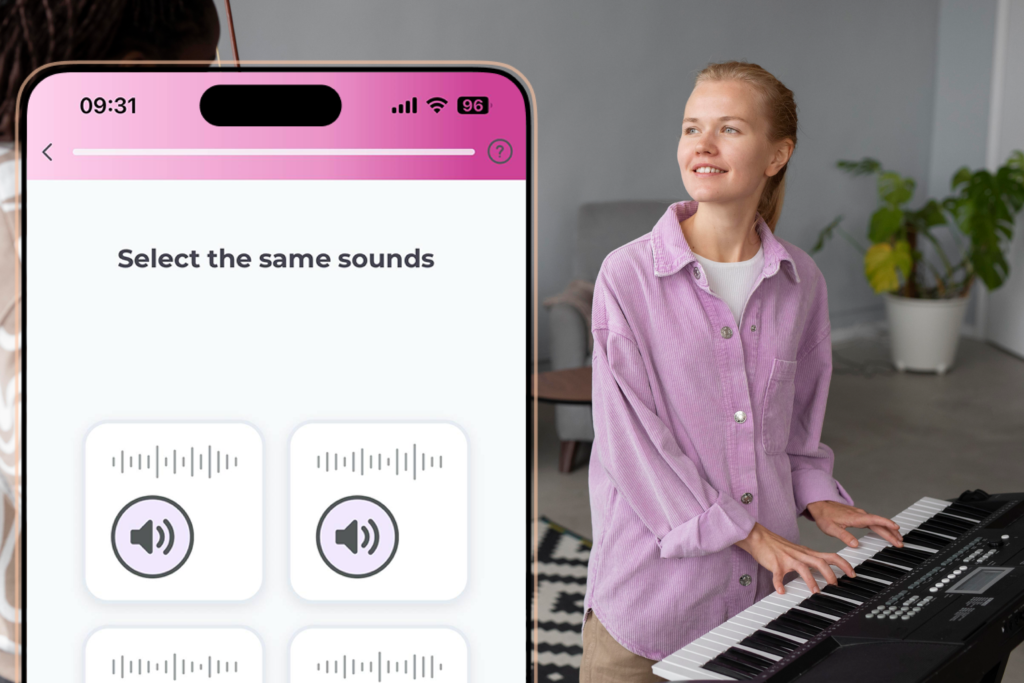
How To Correctly Interpret And Apply Feedback From Talented For Maximum Results
But feedback is not just a set of ratings or comments. Presented as detailed, structured data in Talented, it allows for a deep understanding of where you are now and what exactly needs improvement for the next step. So as to underline key points from this sea of information and start concentrating on them—the main thing is to learn.
Recommendations for interpreting Talented feedback:
- Split the overall result into components. Different aspects of your skill, whether it be accuracy, speed, or structure, are analyzed by the platform. It is important to understand which parameters need priority attention.
- Highlight weak points with specific examples. Real-life situations or tasks where results were less successful are contained in the feedback. Record these episodes for further analysis.
- Note the dynamics of changes. It’s important not only to have a view of the current rating but to see the logic of improvements or lack thereof over time; adjusting the approach accordingly.
- Don’t neglect positive points. Aspects that you master are always present in Talented’s feedback. Keeping those will maintain balance and motivation.
Putting feedback into practice requires discipline and systematization. Try not to work on everything at once; select 1–2 key aspects to focus on during the near term. Work with them until you feel stable progress; after that, moving further to the next ones will be possible. This is where practice strategies and improvement come together through targeted exercises and error pinpointing.
Setting Personal Goals And Modifying Practice In Response To The Platform’s Personalized Suggestions
The foundation of effective work with Talented is setting goals properly. The clearer and more measurable your goals are, the easier for the platform to adapt to your style and learning pace.
The strategy for setting goals and adapting practice includes:
- Define a long-term and a short-term goal. An example is to improve on a particular skill within three months, which is long-term, whereas performing particular daily exercises falls under short-term goals.
- Break the goal into subpoints. Several smaller tasks coordinated with Talented’s recommendations each large goal becomes. Tracking progress this way is easier.
- Adjust learning parameters according to your possibilities on the platform. Intensity, complexity, and task format Talented allows you to regulate. In order to adapt these parameters in the course of development, rely on feedback analysis.
- Use functions for reminders and notifications to maintain regularity. Regular sessions help keep motivation going and skills consolidate.
- Periodically review goals. As progress continues, results may change; hence, goals need an update, too. Convenient tools for monitoring and correction Talented provides.
Adaptation is dynamic, so don’t forget! Change your approach flexibly in accordance with new feedback and your own feelings to keep the balance between challenge and comfort in learning. Only this way can true progress be achieved without excessive stress and burnout. Here the Talented app supports learning shortcuts, technique sharpening, and improvement through progress acceleration.
The Key To Avoiding Getting Stuck And Obtaining The Most Value From Talented’s Feedback Is Regular Progress Analysis
You should not only tick off achievements but regularly go over your own results and flexibly adjust your strategy. Here are the following strategies to help you best leverage the data provided by the platform.
- Frequency of analysis
Establish a set review interval, preferably weekly or every other week. While more frequent reviews may lead to overload, reviews that are less frequent may result in loss of momentum. Outcome-measurement should not be confined to overall scores only; rather, detailed metrics such as the quality of execution, reaction time, resilience of skills, and many more. - Data segmentation
Segment the progress by individual skill aspects.
Example: When learning to play the guitar, track separately the tempo, correctness, and expressiveness. This will help you discover weak spots and understand exactly where efforts should be focused. - Recording changes and conclusions
Record in a diary or electronic log with comments concerning adjustments and resultant effects. This type of self-feedback promotes intentional growth and simplifies the process of searching for best practices. - Utilization of visualization tools
Talent offers graphs and charts to present dynamics that are easily perceivable. Use them actively to identify trends and patterns. - Discussion with mentors and community
Share your results and observations in hopes of gaining an external perspective. Sometimes, help to see what was missed in the data; a fresh point of view can provide.
Not just to record the numbers, but to ask yourself the right questions—that is what will truly make your approach adjustment effective. What is changing? Why? What should be strengthened or modified? A holistic, analytical method based on Talented this turns practice into a process of constant growth that is also full of awareness. Without it, progress becomes routine repetition without much qualitative outcome. In this loop, error correction and instant feedback power feedback utilization and skill optimization.
Examples Of Skill Development Success Through Talented Feedback
From users, we get regular stories of inspiration who have achieved significant results through the regular and thoughtful use of feedback from this app. It is not always just a matter of time that is important to understand, but very often, success lies in how one works with information about his or her actions.
Typical situations let us consider, showing how exactly feedback helped to restructure the learning process and accelerate progress to the maximum.
1. Sarah, Learning A Foreign Language
First of all, Sarah spent a lot of time on vocabulary memorizing and didn’t see real results. After some weeks of working with our tool, she started to receive certain recommendations to develop her weak areas, for example, pronunciation and intonation. Error analysis managed to reduce her learning time almost by half, along with regular repetition of the given advice.
2. Alexey, Mastering Guitar Playing
Often stuck on the same exercises Alexey was, he didn’t notice small but critical technical mistakes. With audio recordings and objective analysis provided by the app, he clearly saw what to focus on and rearranged his practice plan. The result: despite the habit of “working through fatigue,” sessions became more effective.
3. Marina, Development Of Public Speaking Skills
For her, the turning point came with visual feedback. The system signaled those points when voice or facial expressions did not show accordance with the content of speech. These tiny details, previously invisible, changed her delivery and made it spirited and convincing, as expressed in listener feedback and her confidence inside.
Tips shared by these stories:
- Detailed error analyses do not avoid—the key to breakthroughs is hiding exactly there.
- To implement step by step the recommendations received, without trying to cover everything at the same time.
- Opportunities for the analysis of progress to adjust strategy in time.
- Results and insights are shared with the community, and this exchange of experience becomes an extra impulse for growth.
Our application embeds the understanding that practical examples make feedback alive and useful; not just showing “what is wrong,” but showing the way to fix it—so learning faster happens. For this reason, user success stories are an inspiration for us to create tools that will deliver real results to everyone. This is smart practice in action—practice strategies that use targeted exercises and guided corrections for a sustained performance boost.
Tips For Maintaining Motivation And Avoiding Burnout In Smart Practice
- Change the tasks. The routine will very quickly lead to boredom. To be able to support interest and stir different skills, new formats and exercise types offered by Talented should be introduced.
- Set realistic goals. Small, achievable steps provide a sense of progress and do not overload the mind.
- Alternate periods of activity and rest. One’s feelings need to be monitored. Sometimes, it is better to take a break rather than press on.
- Track successes regularly. Keeping a journal or using Talented’s built-in functions help to see achievements, which lifts the mood and adds energy.
- Stay connected with similar-minded people. Motivation to continue comes about when one discusses challenges and successes that are happening in the community.
Helps to preserve a high energy level and positive mindset, does understanding one’s limits and listening to oneself. Into long-term pleasure, rather than a source of stress, a smart practice such approach turns. Here, improvement is supported by practice hacks, time management, and progress acceleration.
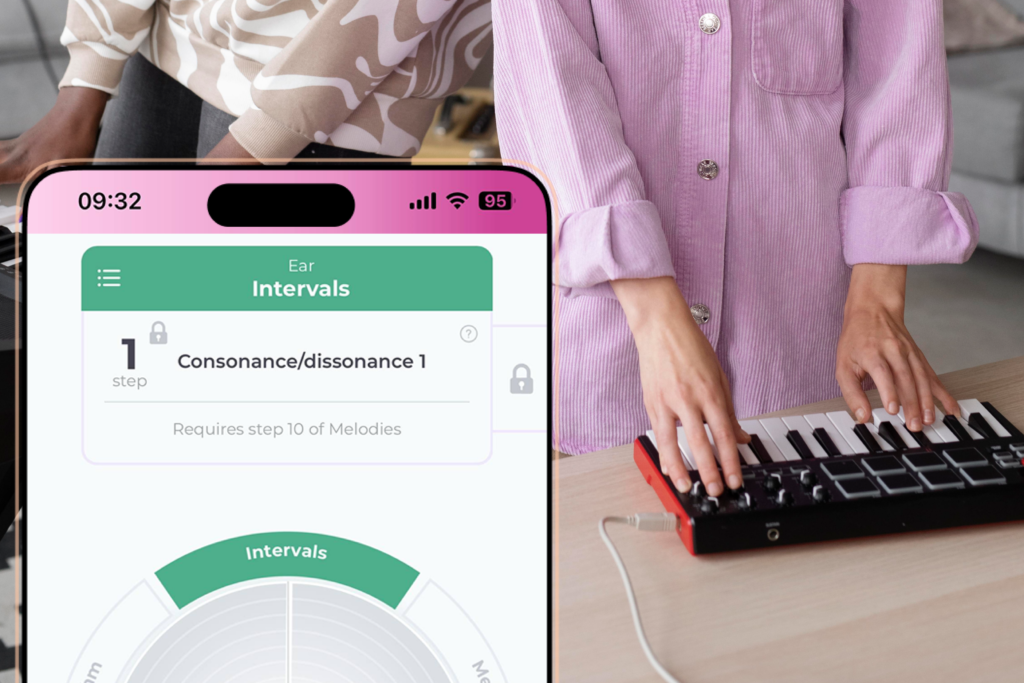
Conclusion How To Integrate Talented Into Daily Practice For Sustainable Growth
To make Talented an integral part of your development, not only should you provide feedback, but you need to embed it into your daily rhythm. For sustainable integration, here are a few tips:
- Specify regular time to work with the platform. A fixed schedule creates habit and discipline, raising effectiveness.
- Use Talented data as a basis for planning. Training corrections and goal-setting should be built on feedback analysis and not on feelings or random factors.
- Automate reminders. Set up notifications so as not to miss moments for progress analysis and strategy review.
- Diversify learning methods. Combine Talented with other resources: reading, video lessons, live practice.
- Be prepared to adjust. Because the platform is continually updating its recommendations based on your successes and difficulties, flexibility is an important component of success.
Only this kind of integration of Talented allows for creating a foundation for regular and measurable growth without overloads. Not just a routine, but a way of life: smart practice turns every step into valuable experience and new opportunities. To close the loop, Talented app, instant feedback, and ongoing error correction translate targeted exercises into clear improvement metrics and skill optimization.